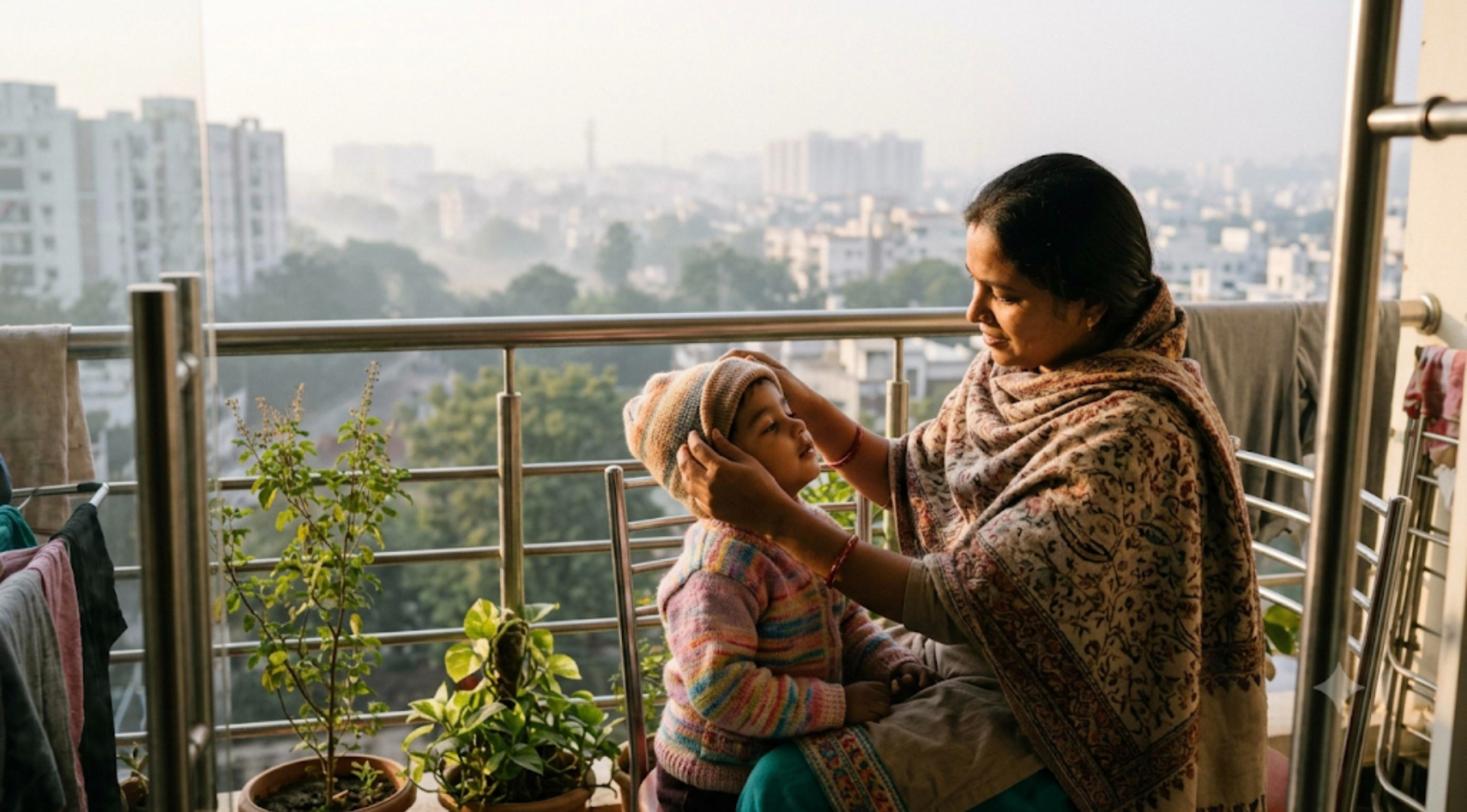
Vaccination & Infectious Disease
Telangana Flu Advisory: 7 Ways to Protect Your Child This Winter
Key Takeaways
- On November 12, 2026, Telangana's Health Department issued a seasonal flu advisory as minimum temperatures are forecast to fall 2–3°C below normal.
- Children under 5 years are one of four groups the advisory lists as being at higher risk of severe flu.
- The Indian Academy of Pediatrics recommends a flu vaccine every year for all children aged 6 months to 5 years.
- Children under 9 getting the flu vaccine for the first time need 2 doses given at least 4 weeks apart.
- Fast breathing, chest indrawing, bluish lips, unusual drowsiness or a seizure in a child with flu need emergency care the same day.
- Antibiotics do not treat flu; a doctor may prescribe the antiviral oseltamivir for high-risk or very sick children.
Contents
- What the Telangana flu advisory says
- Why young children are at higher risk
- 7 ways to protect your child this winter
- Home care vs. when to see a doctor
- When to seek emergency or ICU-level care
- The advisory explained for parents
- What not to do: common flu myths
- Frequently asked questions
Telangana's Health Department has issued a seasonal flu advisory as the state heads into its coolest weeks of the year. This guide is for parents in Hyderabad and across Telangana who want to know what the advisory means for their children. It explains why children under 5 are listed as a high-risk group, the practical steps that reduce your child's chance of catching flu, where the flu vaccine fits in, and the exact warning signs that mean your child needs to be seen urgently. Most children with flu recover at home within a week, and knowing which signs are not routine is what keeps the rest safe.
What the Telangana Flu Advisory Says
The advisory was issued on November 12, 2026, by Dr. B. Ravinder Nayak, Director of Public Health and Family Welfare, after the India Meteorological Department forecast dry weather with minimum temperatures 2–3°C below normal across the state (NewsMeter report).
Hyderabad is forecast to see minimum temperatures around 16°C and maximum temperatures around 32°C, with misty or hazy mornings.
The department warned that falling temperatures could add to the spread of acute respiratory infections, including seasonal flu, and listed four groups at greater risk of severe illness: pregnant women, children below 5 years, adults above 65 years, and people with chronic medical conditions.
People in these groups are advised to consult a doctor at the nearest health facility if they develop flu symptoms. The government has also arranged special beds and essential medicines at public health facilities as a precaution.
Why Young Children Are at Higher Risk
Flu is caused by the influenza virus, which spreads through droplets when an infected person coughs, sneezes or talks, and through hands that touch contaminated surfaces and then the eyes, nose or mouth.
Children under 5, and especially those under 2, have small airways that narrow quickly with inflammation, so a flu infection can cause breathing difficulty sooner than in an older child or adult.
Young children also have not met many flu strains before, shed the virus for longer, and are more likely to become dehydrated when fever and poor feeding combine.
Children with asthma, heart disease, chronic kidney or lung disease, diabetes, neurological conditions or a weakened immune system are at higher risk at any age.
Cool weather does not cause flu by itself. It drives families indoors with doors and windows shut, which lets the virus pass more easily from one person to the next.
7 Ways to Protect Your Child This Winter
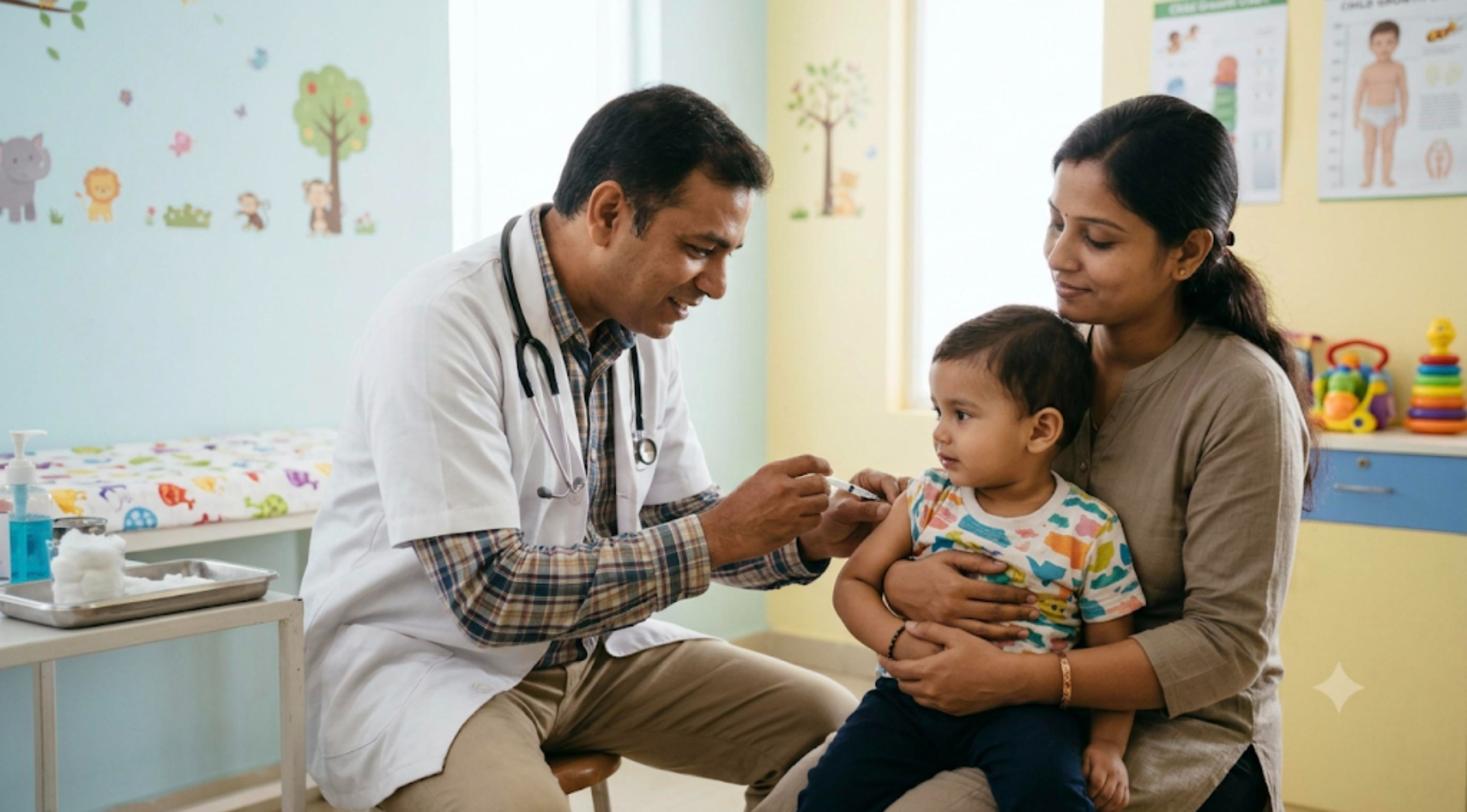
- Get the annual flu vaccine. The Indian Academy of Pediatrics recommends a flu shot every year for all children aged 6 months to 5 years, and every year beyond age 5 for children with chronic illnesses. Children under 9 receiving it for the first time need 2 doses at least 4 weeks apart. If your child has not had this year's dose, ask your pediatrician about timing.
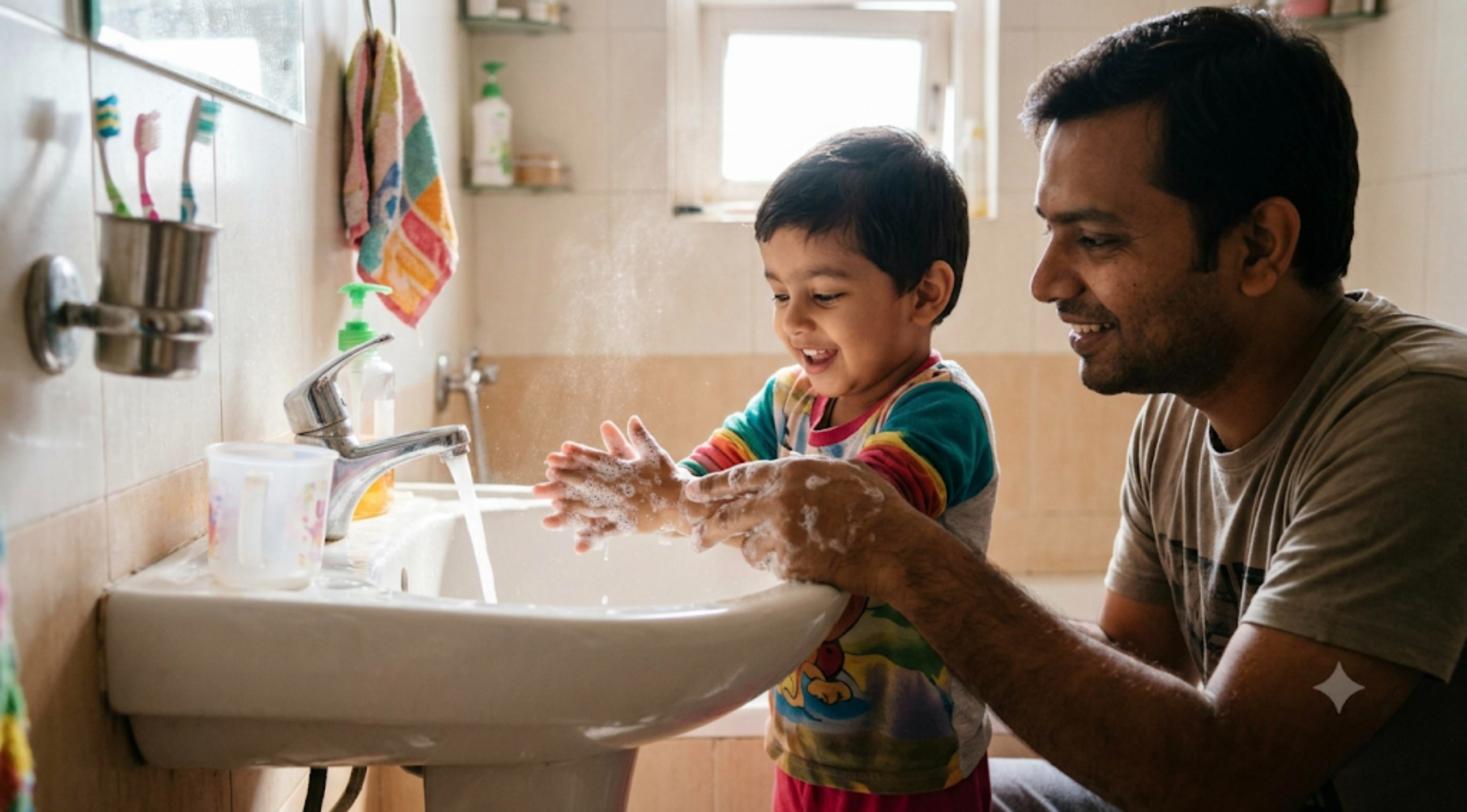
- Wash hands with soap and water often. Wash for at least 20 seconds after coming home, before meals, and after coughing, sneezing or wiping a nose. Use an alcohol-based sanitiser when soap and water are not available.
- Teach cough and sneeze manners. Children old enough to learn should cough into a tissue or their elbow. Throw tissues away after one use and do not reuse handkerchiefs.
- Keep rooms ventilated. Open windows for part of the day, even when it is cool, so fresh outdoor air replaces stale indoor air. Dress your child in warm layers rather than sealing the room.
- Keep sick family members away from babies. Anyone with fever, cough or sneezing should avoid holding or kissing infants, wear a mask at home if possible, and wash hands before handling the baby.
- Avoid crowded indoor places with very young children. Malls, crowded functions and busy waiting rooms carry the highest risk for babies under 6 months, who are too young for the flu vaccine.
- Protect the basics: fluids, food and sleep. Offer water and warm fluids through the day, regular home-cooked meals, and age-appropriate sleep. Breastfeeding gives infants extra protection against respiratory infections.
Pregnant mothers are also on the advisory's high-risk list. A flu vaccine during pregnancy protects the mother and passes antibodies to the baby for the first months of life, when the baby cannot be vaccinated; discuss it with your obstetrician.
Home Care vs. When to See a Doctor
Safe to manage at home if your child:
- Is over 3 months old and breathing comfortably
- Drinks enough to pass urine at least every 6 to 8 hours
- Has fever for 3 days or less that comes down with paracetamol
- Is alert and plays when the fever is down
See your pediatrician within 24 hours if:
- Your child is under 5 years or has a chronic illness and develops flu symptoms, as the advisory recommends for high-risk groups
- Your baby is under 3 months old with a temperature of 38°C (100.4°F) or higher
- Fever lasts more than 3 days or reaches 40°C (104°F)
- Fever goes away and then comes back, or the cough gets worse after the child seemed better
- There is ear pain, ear discharge, or a child with asthma needs their reliever inhaler more often than usual
For step-by-step comfort care at home, read Cold or Flu in Kids? 6 Safe Home Remedies That Actually Work.
When to Seek Emergency or ICU-Level Care
In the PICU, the children who become seriously ill with flu usually show warning signs hours before they reach us. Flu can lead to pneumonia, worsening asthma, dehydration, and less commonly inflammation of the heart muscle (myocarditis) or brain (encephalitis).
Go to the nearest emergency department immediately, or call 108, if your child has:
- Fast breathing at rest: 60 or more breaths a minute under 2 months, 50 or more at 2 to 12 months, or 40 or more at 1 to 5 years
- Chest indrawing: the lower chest or the skin between the ribs sucks in with each breath, or the child grunts or flares the nostrils
- Bluish or grey lips, tongue or face, or an oxygen reading below 92% on a home pulse oximeter
- Altered behaviour: unusually drowsy, hard to wake, confused, or not recognising parents
- A seizure (fit), or stiff neck with severe headache
- Signs of dehydration: no urine for 8 hours, a very dry mouth, no tears, or refusal of all fluids
- Blood in sputum, or chest pain in an older child
- Cold hands and feet with a fast heartbeat, or a child who looks pale and limp even after the fever comes down
Children who reach hospital early with these signs usually need oxygen, fluids and close monitoring. A smaller number need high-flow oxygen, a ventilator, or in rare cases ECMO in the PICU. Starting treatment early is the main factor that keeps a child from needing those steps.
The Advisory Explained for Parents
| Advisory says | What it means for your child |
|---|---|
| Children below 5 are at higher risk | Consult a doctor early when a child under 5 develops flu symptoms; do not wait several days. |
| Stay away from public places if you have fever, cough or sneezing | Keep a sick child home from school, daycare and tuition until fever-free for 24 hours without medicine. |
| Ensure ventilation with outdoor air | Open windows for part of the day; use warm clothing, not a sealed room, to keep children warm. |
| Avoid taking medicines without consulting a doctor | No leftover antibiotics, no cough-and-cold combination syrups, and never aspirin in children. |
| Seek help for breathing difficulty, bluish skin or altered behaviour | These are emergency signs in children; go to hospital immediately or call 108. |
What Not to Do: Common Flu Myths
"Antibiotics will make the flu go away faster"
Flu is a viral infection, and antibiotics do not act on viruses. Unnecessary antibiotics cause diarrhoea and build resistance. Your pediatrician will prescribe them only if a bacterial complication such as pneumonia or an ear infection is found.
"Kadha and turmeric milk will prevent flu"
Warm drinks like turmeric milk or a mild kadha can soothe a sore throat and keep an older child hydrated. They do not prevent or treat influenza, should not replace the vaccine or a doctor's visit, and strong spiced decoctions are not suitable for infants. Honey should never be given to babies under 1 year.
"The flu vaccine gives you the flu"
The flu shot used for children in India is an inactivated vaccine and cannot cause flu. Mild soreness at the injection site or a low fever for a day can occur and settles on its own.
"Wrap the child tightly to sweat out the fever"
Heavy wrapping traps heat and can push the temperature higher, especially in infants. Dress a feverish child in light, breathable clothing and keep the room comfortably cool.
Conclusion
Telangana's flu advisory is a timely reminder that the coming weeks bring more respiratory infections, and that children under 5 are among those most at risk. An annual flu vaccine, regular handwashing, good ventilation and keeping sick children at home prevent most spread. Watch for fast or difficult breathing, bluish lips, unusual drowsiness and dehydration, as these need emergency care rather than home treatment. If your child needs a flu vaccine, a check-up, or follow-up after a respiratory illness, Dr Suchit Jogu sees children at KIMS Cuddles, Kompally.
This article is for general educational purposes and is not a substitute for professional medical advice, diagnosis, or treatment.
Frequently Asked Questions
Does cold weather cause flu in children?
No. Flu is caused by the influenza virus. Cooler weather helps it spread because families spend more time indoors with windows closed, so the virus passes easily from person to person.
Is it too late to give my child the flu vaccine in November?
If your child under 5 years has not had a flu shot in the last year, ask your pediatrician at the next visit. Flu circulates in Hyderabad in winter as well as the monsoon, and your doctor can advise on the best timing for your child.
Why does my child need two flu doses the first time?
Children under 9 years receiving the flu vaccine for the first time need 2 doses at least 4 weeks apart to build full protection. After that, 1 dose every year is enough.
Will antibiotics help my child's flu?
No. Antibiotics do not work against the influenza virus. They are used only if a doctor finds a bacterial complication such as pneumonia or an ear infection.
Is there a medicine for flu in children?
Yes. An antiviral called oseltamivir can be prescribed for children who are under 5, have a chronic illness, or are seriously ill. It works best when started within 48 hours of the first symptoms, so see your pediatrician early.
When can my child go back to school after flu?
Keep your child home until they have been fever-free for at least 24 hours without paracetamol or ibuprofen, and are eating and active again.
Can I give my child aspirin for flu fever?
Never give aspirin to a child with flu. It can trigger Reye syndrome, a rare but serious condition affecting the liver and brain. Use paracetamol at the dose your pediatrician advises for your child's weight.
Related reading: Cold or Flu in Kids? 6 Safe Home Remedies That Actually Work · Frequent Fevers in Children: Is the Immunity Low? · Pneumonia in Children: From OPD Treatment to Ventilator and ECMO