Pediatric Critical Care
Post-PICU Follow-Up: Why Recovery Doesn't End at Discharge
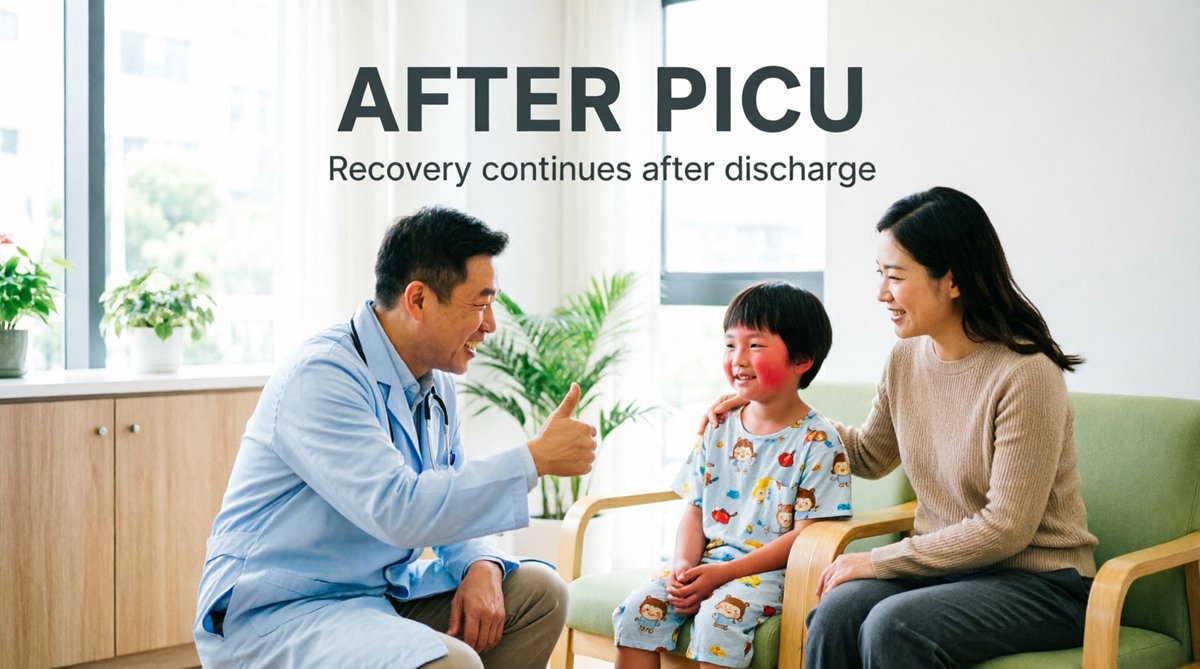
Leaving the PICU is a huge relief for families, understandably treated as the end of the ordeal. But recovery from critical illness often continues well beyond discharge — physically, developmentally, and emotionally — which is why structured follow-up matters as much as the acute care itself.
Why Follow-Up After PICU Matters
Critical illness and its treatment can have effects that aren't visible at the moment of discharge — some that unfold over weeks, others over months. Children, especially younger ones, are also still developing, so an illness that temporarily interrupted that process may need catch-up support that's easy to miss without dedicated follow-up.
What Post-PICU Follow-Up Looks Over
- Physical recovery: weight regain, muscle strength, and return to normal activity levels, especially after a prolonged stay or illness affecting mobility
- Developmental progress: whether milestones are being met, particularly for infants and young children whose illness occurred during a period of rapid development
- Organ-specific monitoring: depending on the illness — lung function after severe respiratory illness, kidney function after certain infections, or neurological follow-up after conditions affecting the brain
- Emotional and behavioral adjustment: both for the child and for parents, who often carry significant stress and anxiety after a critical illness
- Medication and care plan transitions as the child moves from hospital-level to home-based management
A Common Gap in Care
Once a child is medically stable and discharged, families sometimes assume the hardest part is over and let routine pediatric care lapse during the stressful recovery period. In reality, this is often when closer-than-usual monitoring is most valuable — catching a slow-to-resolve issue early is far easier than addressing it after it's been missed for months.
What to Expect From a Follow-Up Visit
A thorough post-PICU visit reviews the hospital course, checks growth and developmental progress against where the child would be expected to be, addresses any ongoing symptoms or medication needs, and gives families a realistic timeline for full recovery — along with space to ask the questions that often only surface once the crisis itself has passed.
Post-PICU Care in Kompally
Dr. Suchit Jogu provides structured post-PICU follow-up for children who've had a critical illness, whether treated at KIMS Cuddles or elsewhere, helping families in Kompally navigate the recovery period with the same continuity of expertise as the acute illness itself.
This article is for general educational purposes and is not a substitute for professional medical advice, diagnosis, or treatment.