Pediatric Emergency Care
Poisoning & Accidental Ingestion in Children: What to Do First
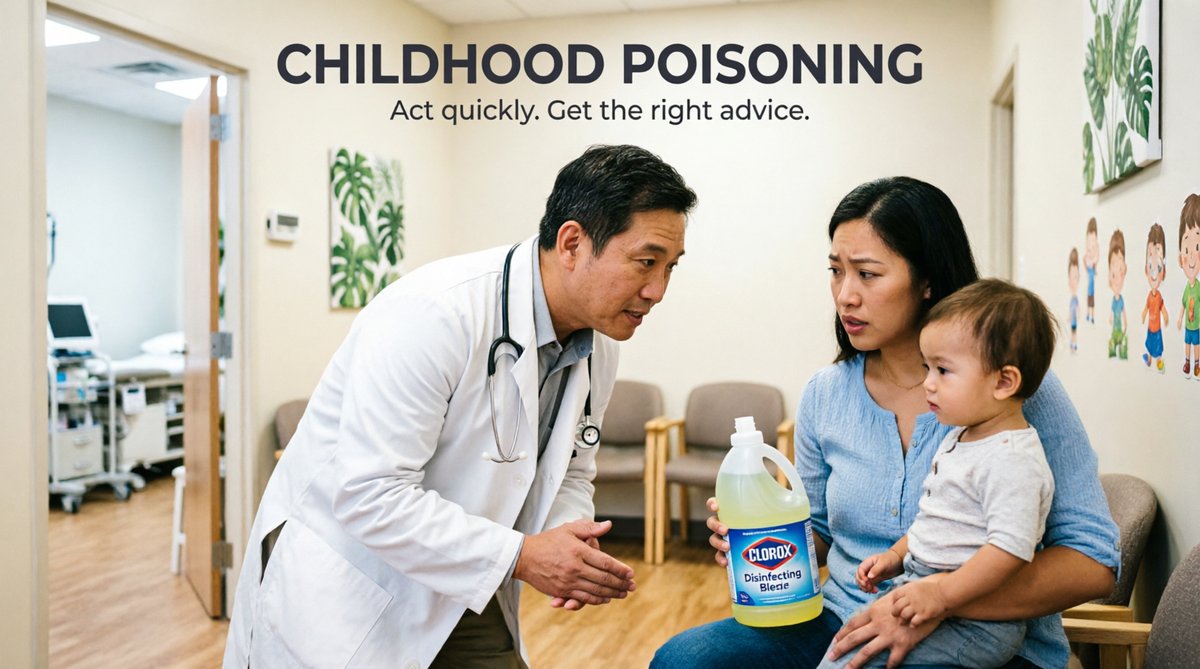
Curious toddlers explore the world by putting things in their mouths, which makes accidental ingestion of medicines, household chemicals, or other substances one of the more common pediatric emergencies. What you do in the first few minutes matters.
Immediate Steps If You Suspect Poisoning
- Stay calm and remove any remaining substance from the child's mouth
- Do NOT induce vomiting unless specifically instructed by a doctor or poison control — this can cause additional harm with certain substances (like caustic chemicals or petroleum products)
- Identify what was swallowed — keep the container, packaging, or medication strip to show the doctor
- Note roughly how much was taken and when
- Call for emergency help or head to the nearest hospital immediately — don't wait to see if symptoms develop
Why "Wait and See" Is the Wrong Approach
Many substances have delayed effects — a child can look completely fine in the first hour after ingesting something harmful, with symptoms appearing only once significant absorption has occurred. Medical evaluation as soon as possible after a suspected ingestion, even in an apparently well child, is always the safer path.
Common Culprits
Medications (both prescription and over-the-counter, especially when stored within reach or in handbags), cleaning products, cosmetics, button batteries, and plant material are frequent causes. Button batteries deserve special mention — they can cause serious internal injury quickly and always need urgent evaluation if swallowed or suspected to be swallowed.
How It's Managed at the Hospital
Management depends entirely on what was ingested — options range from observation alone, to activated charcoal (which binds certain substances), to specific antidotes for particular poisons, to supportive care in severe cases. This is exactly why identifying the substance matters so much for guiding the right treatment.
Prevention Matters Most
Storing medications and chemicals well out of reach (and out of sight), using child-resistant packaging, and never transferring chemicals into food or drink containers all meaningfully reduce risk. A home that's "toddler-proofed" today needs periodic rechecking as a child grows and becomes more mobile and curious.
Poisoning Emergencies in Kompally
As a Pediatric Intensivist, Dr. Suchit Jogu manages suspected poisoning and ingestion emergencies at KIMS Cuddles, Kompally, with on-site critical care support for severe cases.
This article is for general educational purposes and is not a substitute for professional medical advice. If you suspect your child has ingested a harmful substance, seek emergency care immediately.